
 EN
EN


 Back
Back
 Top
Top
On November 14–16, 2025, the "2025 Animal-related Injury Prevention and Treatment Conference", hosted by the Animal Injury Treatment Branch of the China Association for Disaster & Emergency Rescue Medicine, was successfully held in Wuhan City, Hubei Province. As a benchmark enterprise in the Chinese blood products industry, a long-standing practitioner in rabies prevention and control, and a strategic partner of the conference, Grand Shuyang has actively engaged in academic exchanges for years, working closely with experts, scholars, and medical institutions to jointly advance the high-quality development of animal-related injury prevention and treatment.
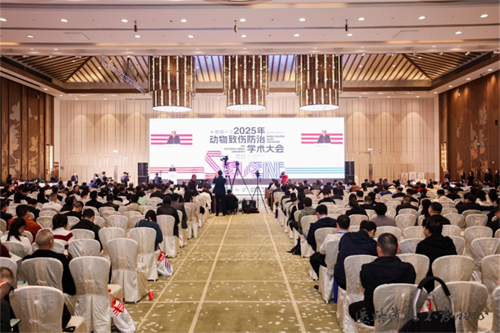
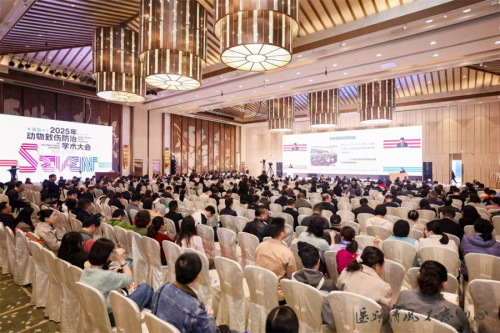
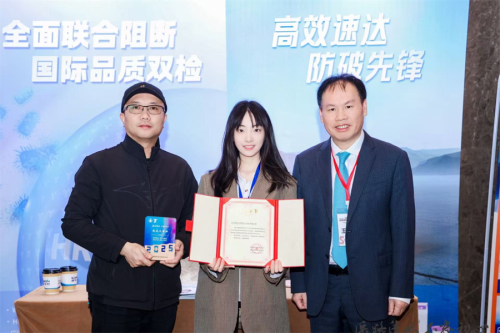
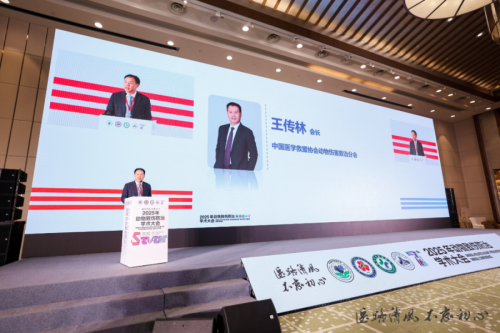
The conference gathered over 1500 renowned experts and scholars nationwide in rabies prevention, control, and clinical treatment to focus on emerging industry challenges and technologies, and to discuss standardized approaches for animal-related injury prevention and treatment. At the conference, Professor Wang Chuanlin, President of the Animal Injury Treatment Branch of the China Association for Disaster & Emergency Rescue Medicine and Professor from Peking University People's Hospital, presented a certificate of appreciation to Grand Shuyang on behalf of the organizer, commending the company for its long-term commitment to academic exchanges and dedication to public welfare in the industry.
At the conference, key outcomes were released, including the Expert Consensus on Clinical Application of Monoclonal Antibodies Against Rabies Virus (2025 Edition) and the Expert Consensus on the Application of Passive Immune Preparation for Post-exposure Prophylaxis Against Tetanus, offering authoritative basis for precise clinical prevention and treatment. In multiple sessions, experts highlighted that passive immune preparations are crucial for post-exposure prevention of rabies and tetanus. They emphasized that for high-risk patients with severe wound contamination and delayed treatment, the standardized use of high-titer passive immune preparations can significantly improve protection effectiveness.
The tetanus prevention and control session provided a systematic analysis of China's current status in the field, delved into the pathogenesis and the pivotal roles of vaccines and passive immune preparations, and shared successful treatment experiences for severe tetanus, marking China's leading progress in certain aspects of tetanus prevention and control. Experts particularly emphasized that for high-risk patients with severe contamination and delayed treatment (over 24 hours), the recommended dose of human tetanus immunoglobulin (HTIG) should be increased to 500 IU per administration to rapidly establish immune protection. This recommendation closely aligns with Grand Shuyang's R&D focus on high-titer passive immune preparations.